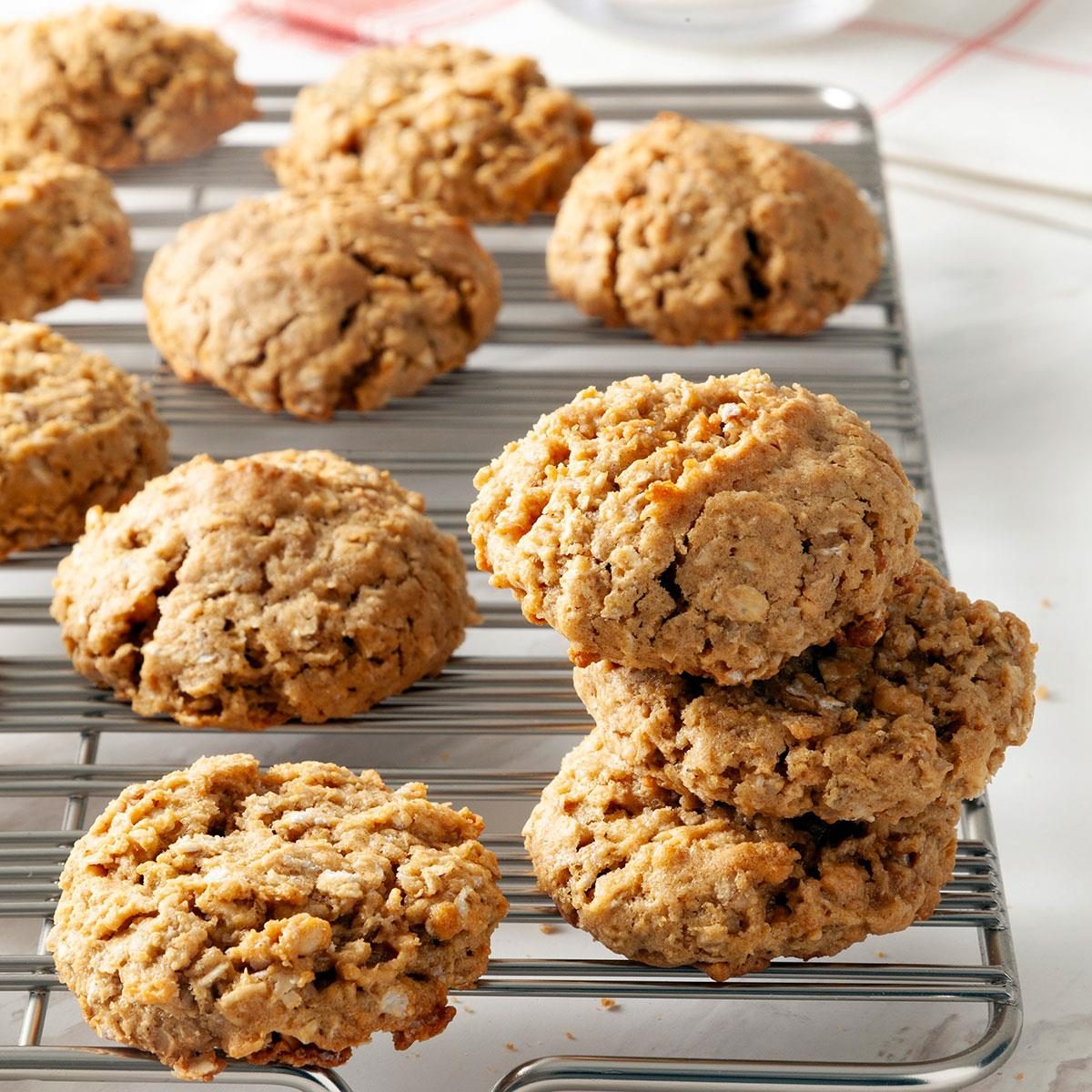
Secrets to Soft & Chewy Peanut Butter Oatmeal Cookies: The Ultimate Ingredients Guide
There’s a comforting magic in a freshly baked cookie, especially when it’s an
easy 5-ingredient peanut butter oatmeal cookie. That perfect balance of crisp edges, tender, chewy centers, and irresistible peanut butter flavor, intertwined with hearty oats, is a truly special treat. While the concept of these cookies sounds simple, understanding the role each ingredient plays is the secret to elevating a good cookie to an unforgettable one. This guide will delve deep into the essential components, revealing how they contribute to that coveted soft and chewy texture, ensuring your next batch of homemade cookies is nothing short of perfection.
Unlocking the Magic: Why These Cookies Are So Easy & Irresistible
The allure of peanut butter oatmeal cookies lies not only in their delightful taste but also in their remarkable simplicity. Many variations boast a minimal ingredient list – often just five core items – and a preparation time that allows you to
whip up perfect peanut butter oatmeal cookies in just 20 minutes. This makes them a go-to for impromptu dessert cravings, unexpected guests, or simply a quick, satisfying baking project. The combination of creamy peanut butter and robust oats creates a textural symphony that’s hard to resist, making them a staple in many home bakers' repertoires. The beauty of an easy peanut butter oatmeal cookies recipe is its accessibility – you likely already have all the necessary components in your pantry, ready to transform into a batch of warm, fragrant treats.
The Star Players: Essential Ingredients for Perfect Peanut Butter Oatmeal Cookies
Achieving that ideal soft and chewy texture in your easy peanut butter oatmeal cookies isn't just about mixing ingredients; it's about understanding what each one brings to the table. Let's explore the fundamental components that make these cookies a beloved classic.
Peanut Butter: The Heart of the Cookie
Peanut butter is more than just a flavor enhancer here; it's a foundational structural element. It provides the characteristic nutty aroma and taste, but also contributes significantly to the cookie's texture and moisture.
*
Smooth vs. Chunky: Both work beautifully, but they yield slightly different results.
Smooth peanut butter will give you a uniformly creamy texture throughout the cookie.
Chunky peanut butter, with its delightful bits of roasted peanuts, adds an extra layer of crunch and textural contrast, which many bakers prefer for an enhanced sensory experience.
*
Commercial vs. Natural: This is a crucial distinction. Most recipes, especially those aiming for consistent results and a classic soft texture, are developed using commercially processed peanut butter (like Jif or Skippy). These brands typically contain added oils, sugar, and stabilizers that prevent oil separation and create a consistent, thick consistency.
Natural peanut butter, which often contains only peanuts and salt, tends to separate (oil rising to the top) and has a thinner, sometimes grainier texture. When using natural peanut butter, you might find your cookies spread more, become a bit more crumbly, or have a less predictable texture due to its varying oil content. If you opt for natural, ensure it's very well stirred to recombine the oils, and consider chilling your dough slightly longer.
Oats: The Key to Chewy Perfection
Oats are the unsung heroes of chewy cookies. They provide structure, absorb moisture, and deliver that distinct, wholesome texture that sets oatmeal cookies apart.
*
Old-Fashioned (Rolled) Oats: These are hands down the champions for chewiness. Their larger, thicker flakes retain their shape better during baking, resulting in a substantial, satisfying chew. They absorb moisture slowly, keeping the cookies soft for longer.
*
Quick-Cooking Oats: While these can be used in a pinch, they are cut into smaller pieces and cook faster. This means they absorb moisture more rapidly and can lead to a slightly softer, less distinctly chewy cookie, sometimes bordering on cakey if overmixed or overbaked. For the ultimate chewy easy peanut butter oatmeal cookies, stick with old-fashioned oats.
*
Instant Oats: Avoid these entirely for cookies. They are highly processed and will break down almost completely, resulting in a mushy texture rather than a pleasant chew.
Brown Sugar: More Than Just Sweetness
Brown sugar is often preferred over white granulated sugar in chewy cookie recipes for several key reasons, contributing both flavor and texture.
*
Molasses Content: Brown sugar owes its color and distinctive flavor to molasses.
Light brown sugar offers a subtle caramel note, while
dark brown sugar provides a richer, deeper molasses flavor. This molasses also acts as a humectant, meaning it attracts and retains moisture, directly contributing to the cookies' softness and chewiness.
*
Texture Contribution: When you cream brown sugar with peanut butter (and butter, if your recipe includes it), the molasses coats the fat particles, creating tiny air pockets. These air pockets expand during baking, resulting in a lighter, softer, and slightly puffier cookie. This combination is far more effective for achieving softness than white sugar alone, which tends to yield a crispier cookie.
Eggs: The Essential Binder
Eggs are the unsung architects of cookie structure, playing multiple vital roles in your easy peanut butter oatmeal cookies.
*
Binding Agent: They act as the "glue," holding all the ingredients together and preventing the dough from crumbling. Without eggs, your cookies would likely fall apart.
*
Moisture and Richness: Eggs contribute moisture and fat, adding to the richness and tenderness of the final product.
*
Structure and Spread: As the egg proteins coagulate during baking, they help set the cookie's structure. The water content in eggs also turns to steam, aiding in the cookie's slight rise and spread. Using a room-temperature egg is often recommended as it incorporates more easily and creates a smoother, more emulsified dough.
Baking Soda: The Secret to a Light & Chewy Crumb
For soft, puffy, and chewy cookies, a leavening agent is non-negotiable. Baking soda is the most common choice for recipes that also contain acidic ingredients (like brown sugar's molasses, or sometimes peanut butter itself).
*
Leavening Power: Baking soda reacts with acidic ingredients in the dough to produce carbon dioxide gas. As the cookies bake, these gas bubbles expand, causing the dough to rise and create a lighter, softer texture. Without it, your cookies would be dense, flat, and hard – more like hockey pucks than delightful treats.
*
pH Balance: Baking soda also slightly raises the pH of the dough, which can contribute to the browning and crispness of the edges while maintaining a soft interior.
*
Freshness is Key: Ensure your baking soda is fresh. Old baking soda loses its potency, leading to flat, sad cookies. You can test its freshness by adding a teaspoon to a bowl with a splash of vinegar; if it fizzes vigorously, it’s good to go!
Beyond the Basics: Customizing Your Easy Peanut Butter Oatmeal Cookies
Once you've mastered the foundational ingredients, the world of customization opens up! These easy peanut butter oatmeal cookies are incredibly versatile.
*
Chocolate Chips: A classic pairing. Milk chocolate chips melt into creamy pools, dark chocolate chips offer a sophisticated bitterness, and white chocolate chips add extra sweetness and contrast.
*
Nuts: Chopped pecans, walnuts, or even additional roasted peanuts can enhance the nutty flavor and add extra crunch.
*
Dried Fruit: Raisins or dried cranberries can introduce a tangy sweetness and an extra layer of chewiness.
*
Pretzels: For a modern twist, crushed pretzels can provide an unexpected salty crunch that perfectly complements the sweet peanut butter.
*
Spices: A pinch of cinnamon, nutmeg, or even a touch of pumpkin pie spice can add warmth and complexity.
*
Vanilla Extract: While not always listed in the most basic 5-ingredient recipes, a teaspoon of good quality vanilla extract can significantly deepen and enhance all the flavors in the cookie.
Remember to not overmix the dough once add-ins are introduced, as this can develop the gluten too much and lead to tough cookies.
Crafting the Dough: Technique Tips for Success
Even with the right ingredients, proper technique is crucial.
*
Creaming is Key: The reference context wisely highlights the importance of creaming the peanut butter and brown sugar together until light and airy. This step incorporates air, which is vital for that soft, puffy texture. Don't rush this process; it typically takes 2-3 minutes with an electric mixer.
*
Don't Overmix: Once you add the oats and baking soda, mix only until just combined. Overmixing can develop the gluten in the flour (if your recipe uses it, though many easy peanut butter oatmeal cookies are flourless) or simply toughen the oats, leading to a less tender cookie.
*
Chilling the Dough: While not strictly necessary for all easy peanut butter oatmeal cookie recipes, chilling the dough for 30 minutes to an hour can yield fantastic results. It helps the flavors meld, prevents excessive spreading, and results in a thicker, chewier cookie.
Conclusion
The secret to perfectly soft and chewy easy peanut butter oatmeal cookies truly lies in understanding and appreciating each ingredient. From the creamy richness of the peanut butter and the textural contribution of the oats to the moisture-retaining power of brown sugar, the binding strength of eggs, and the leavening magic of baking soda – every component plays a crucial role. By paying attention to these details and employing simple techniques, you're not just baking cookies; you're crafting an experience. So go ahead, gather your ingredients, and prepare to bake a batch of homemade peanut butter oatmeal cookies that are sure to become a cherished favorite. Happy baking!